
Historic Technique Unique
The development of aviation and the airport since 1917
Where history and technique cross in a unique setting
At the heart of the FAS Aviation Museum lies the rich and eventful history of Kortrijk–Wevelgem International Airport. This story forms the museum’s central thread, guiding visitors through more than a hundred years of innovation, ambition and remarkable aviation milestones. Along the way, the museum highlights the major technological developments that transformed early flight into the modern aviation we know today.
All of this unfolds in a truly unique setting: an authentic Second World War bunker. Its historic atmosphere adds depth to every exhibit and makes a visit to the museum an experience unlike any other.


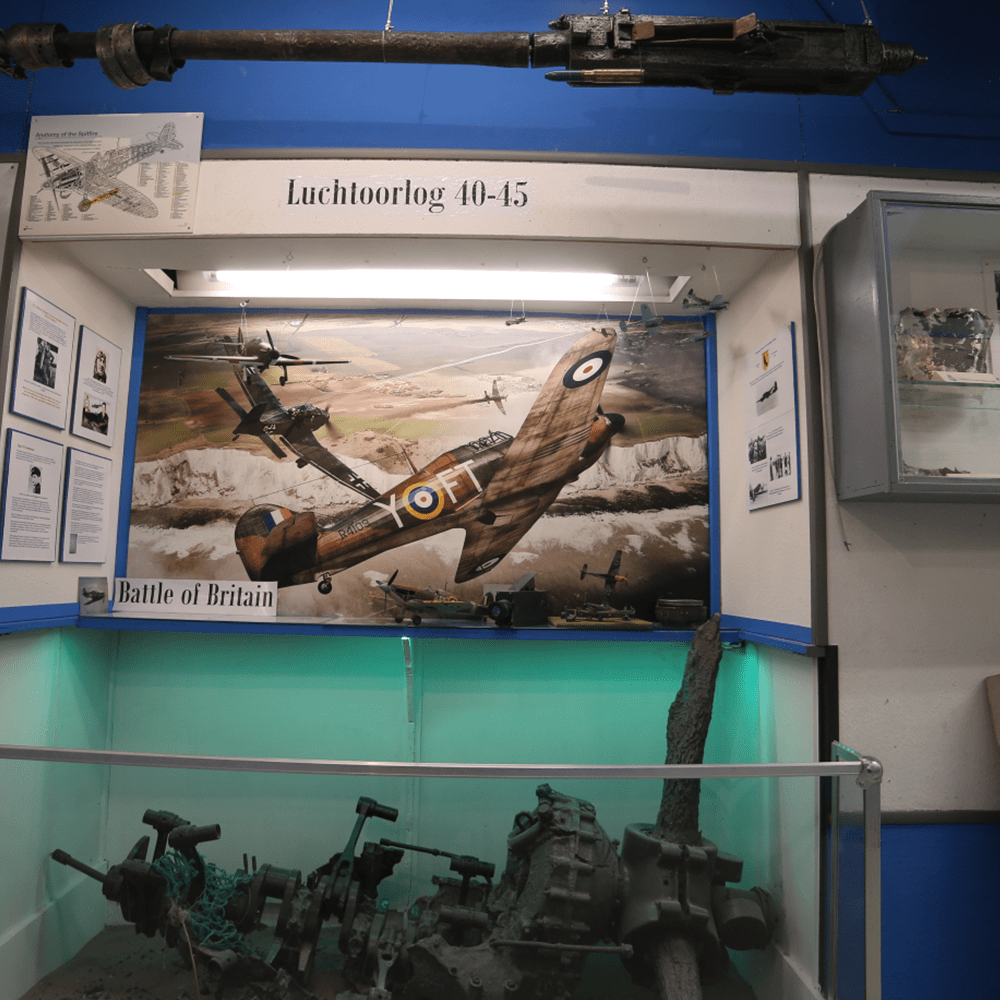
The exhibition also delves into one of the airport’s most dramatic chapters: the heavy bombardments that Wevelgem and Kortrijk endured during the Second World War. The region witnessed numerous aircraft crashes, each leaving behind its own story — some tragic, others astonishing. These events are brought vividly to life through authentic objects, detailed information, and powerful visual material.
Over the years, Kortrijk–Wevelgem Airport has welcomed a surprising number of notable visitors. Famous international figures, as well as remarkable local personalities who shaped aviation history, all have their place in the museum’s narrative. You will also discover the often heroic stories of the pilots who first learned to fly right here in Wevelgem.
The museum itself is housed in an authentic Second World War bunker, constructed by the German occupiers in 1942 — a unique setting that adds an extra layer of atmosphere and authenticity to every visit.
You can explore the museum on your own during public open days, or enjoy a guided tour with a group by appointment. With a QR code, you can access all information panels in English directly on your smartphone, making your visit even more enjoyable and convenient. Thanks to its accessible setup, rich collection, and compelling storytelling, the FAS Aviation Museum is an ideal destination for school outings, educational visits, and group excursions of all kinds.
Discover the museum in the description below.
History
What we now know as Kortrijk–Wevelgem International Airport began its remarkable story in 1917, when the German forces established Flugplatz Bissegem on the border between Bissegem and Wevelgem. At that time, powered flight was barely fourteen years old — still an experimental, rapidly evolving frontier.
From this modest First World War airfield grew more than a century of aviation history. Over the decades, the site transformed from a military base into a dynamic centre for both business aviation and recreational flying. The airport’s long and eventful journey continues to shape the region today, making it one of the most historically significant airfields in Belgium.
We can divide the development of the airport into the following periods:
- The early beginning during World War 1
- The flight school in the interwar period
- The turbulent years of expansion during World War 2
- The aircraft storage facility during the Cold War
- The transition to a civil airport from 1960 onwards
- Its evolution into a business airport from the 1990’s onwards
The museum presents each chapter of the airport’s evolution within its broader historical setting, allowing visitors to understand not only what happened, but also why it mattered. Every era comes to life through context, clarity, and compelling storytelling.
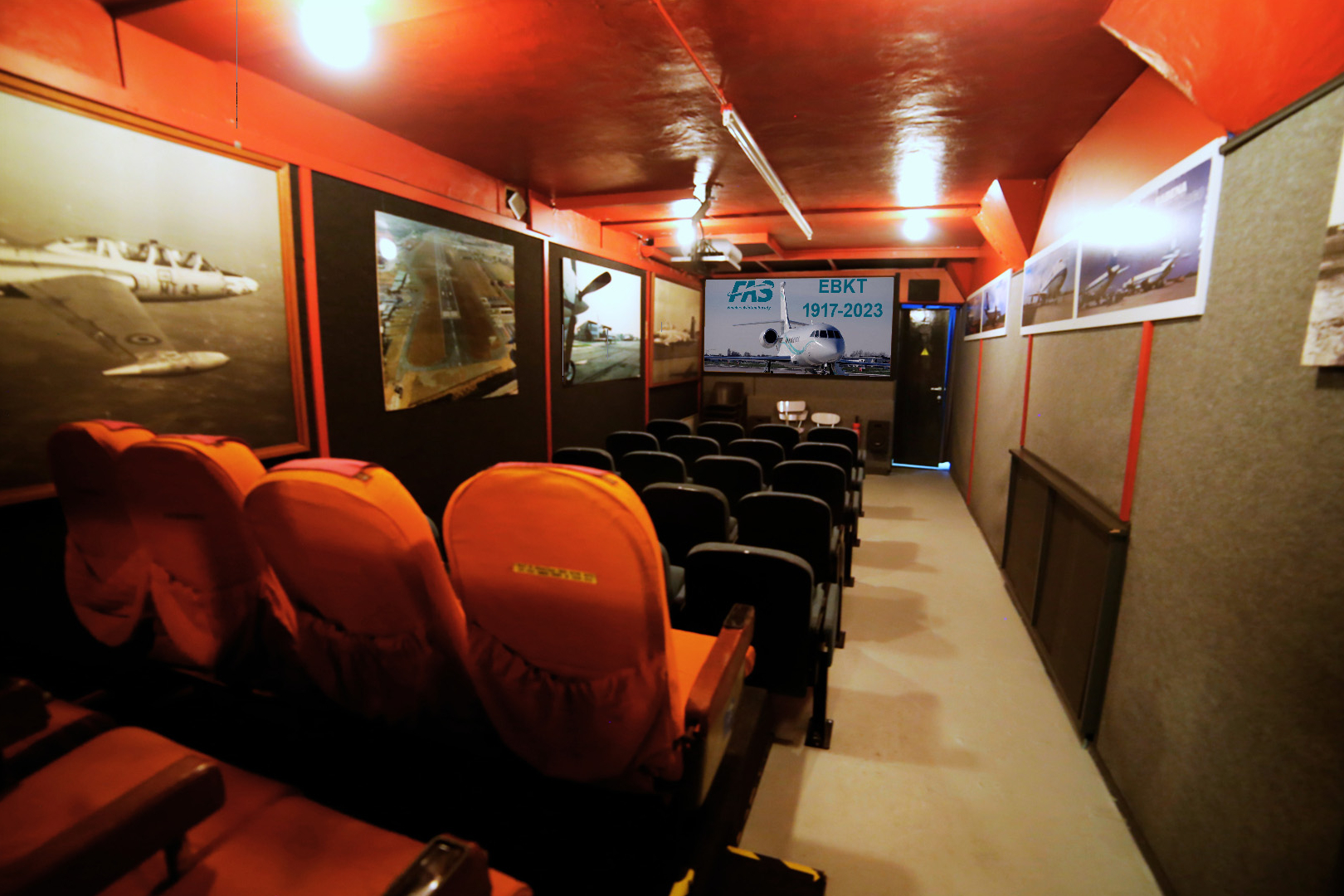
Begin your visit with the introductory film in the projection room, where the story of Kortrijk–Wevelgem Airport unfolds against the sweeping backdrop of world history. The airport played a remarkable role in both global conflicts of the twentieth century — and this cinematic overview places its local past in a truly international context. Even better: you can enjoy this journey through time while seated in authentic aircraft seats, adding an extra layer of immersion to the experience.
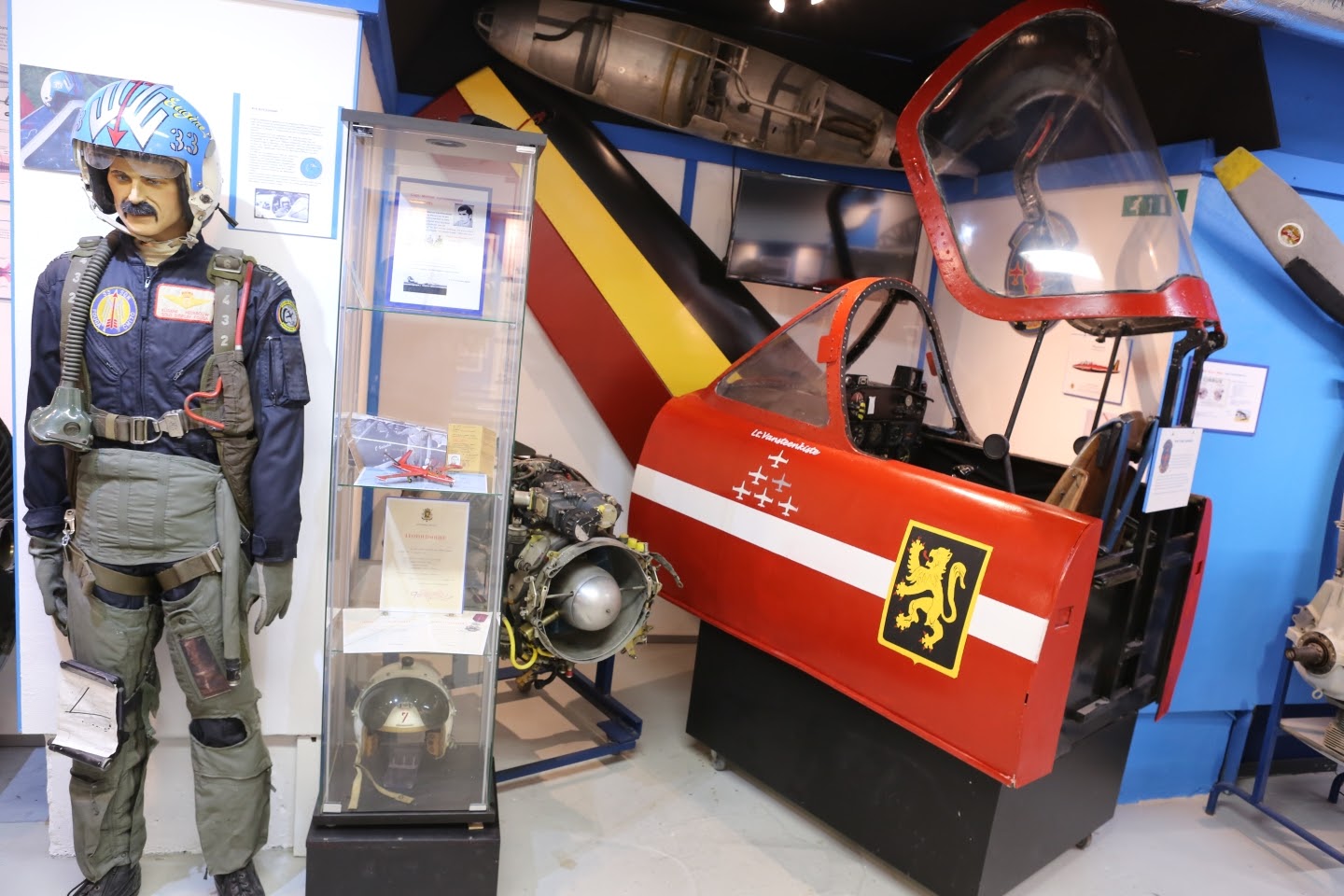
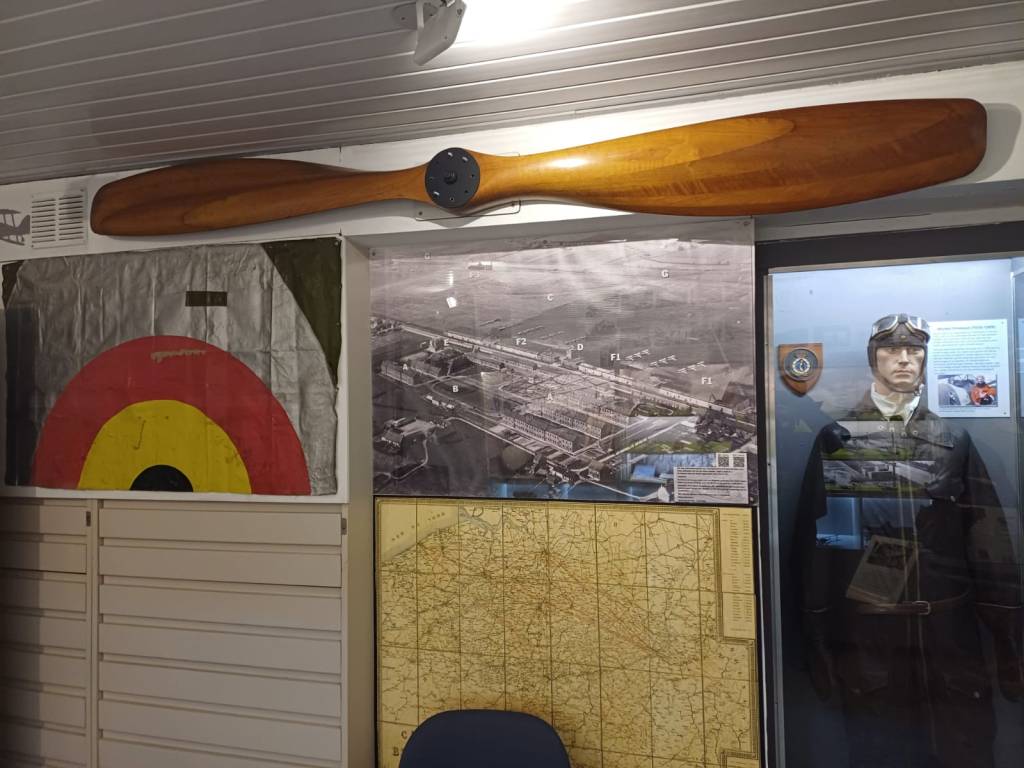
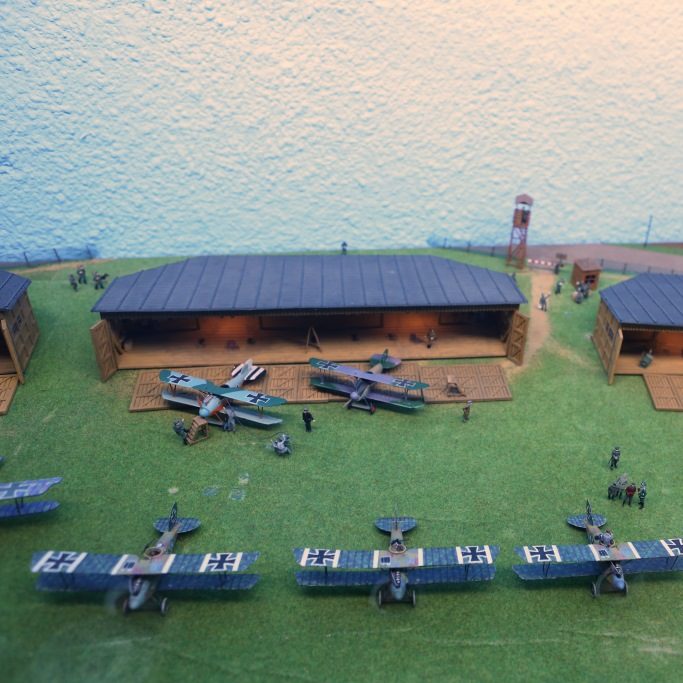
The exhibition itself reveals the airport’s history through an impressive mix of authentic artefacts, vivid visual displays and clear, engaging explanations. Visitors can explore everything from detailed dioramas and scale models to wreckage of downed aircraft and original pilot uniforms. Each object tells its own story — sometimes dramatic, sometimes surprising, always deeply connected to the region.
Carefully curated photographs from archives and private collections further illustrate how aviation shaped Kortrijk–Wevelgem and its surroundings. The museum also shines a spotlight on neighbouring airfields such as Marke, Markebeke and Moorsele, each with their own chapter in the region’s rich aviation heritage.
Did you know that one of the first attempts to establish an air connection with the then‑colony departed from Wevelgem in November 1927?
Do you know the link between Wevelgem and Hiroshima?
How many airports can claim to have been visited by Adolf Hitler, the British Queen, and a U.S. President? At least one — and that is Wevelgem.
What is the story behind the Spitfire displayed on the museum’s exterior wall?
Technique
At the FAS Aviation Museum, the story of Kortrijk–Wevelgem International Airport is inseparable from the story of aviation itself. Founded when flight was still in its infancy, the airport witnessed the earliest chapters of technological progress. The first aircraft to touch down in Wevelgem were fragile wooden‑and‑linen machines, powered by unreliable engines and flown by true pioneers — daring aviators who chased glory at great personal risk. Here, the pioneering years of aerial warfare took shape, setting in motion the remarkable chain of innovations that would lead to the safe, efficient aviation we enjoy today.
During the 1920s and 1930s, Wevelgem became home to the Military Flying School. Its fleet of training aircraft mirrored, though often with a delay, the evolution of military aviation. This period flows seamlessly into the dramatic technological breakthroughs of the Second World War. More powerful engines, robust metal airframes, and increasingly advanced instruments allowed aircraft to fly faster, farther, and with significantly greater payload — transforming aviation in just a few short years.
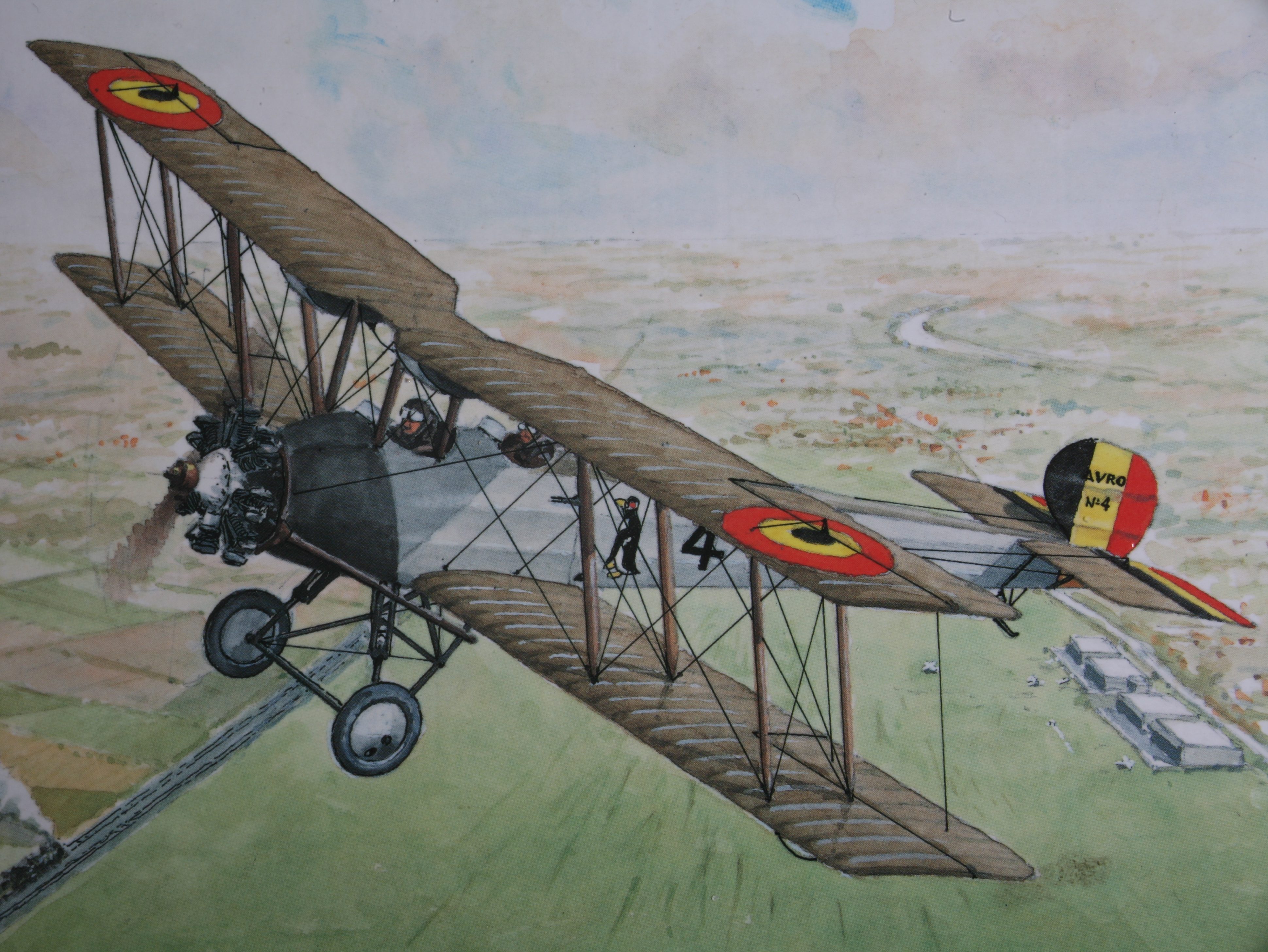
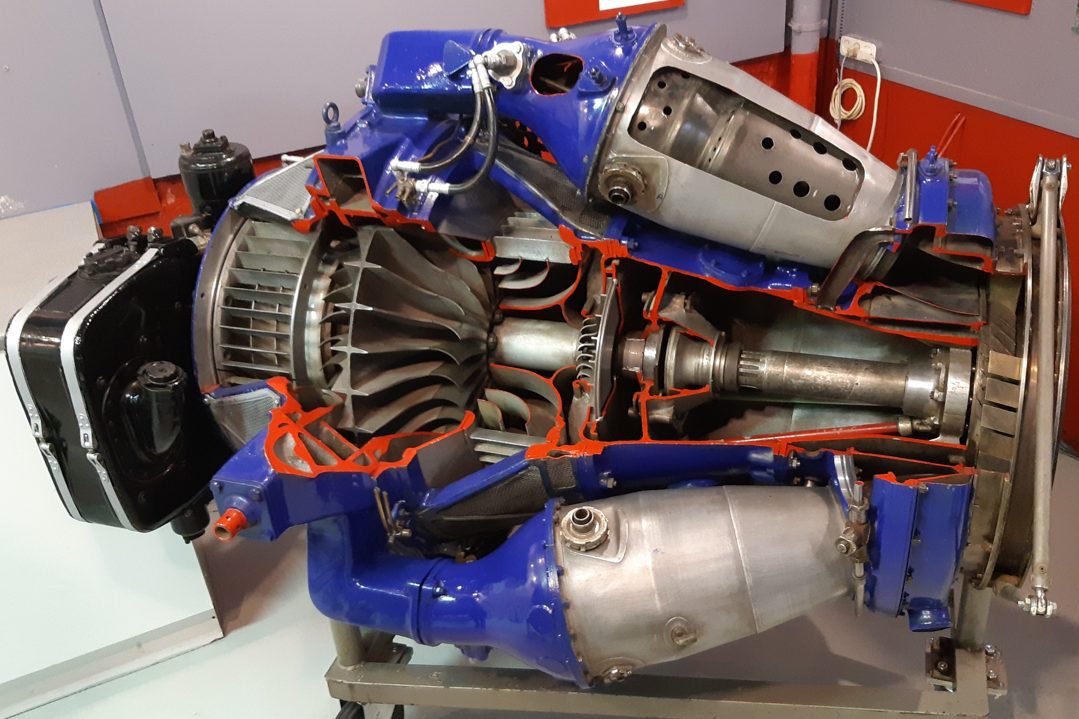
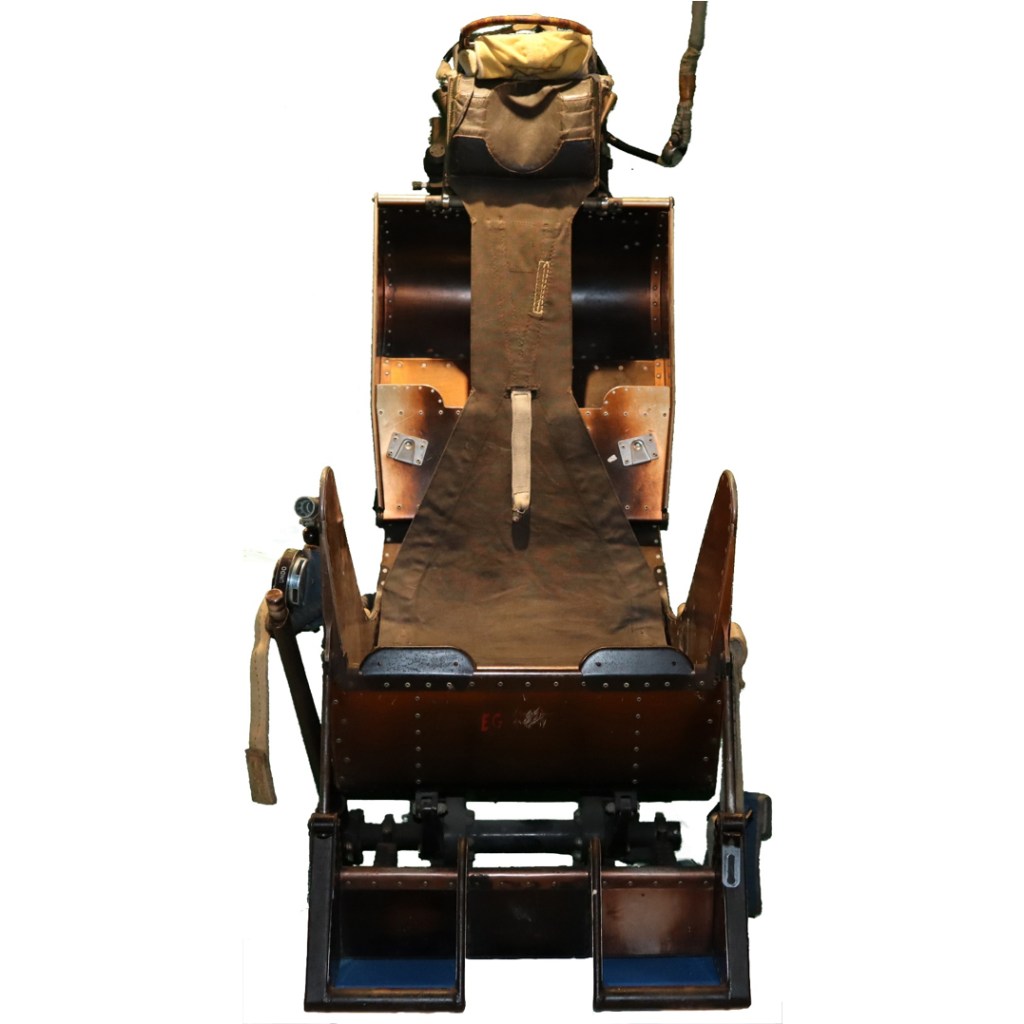
With the end of the Second World War came the dawn of the jet age — a period marked by groundbreaking innovation. This era introduced the ejection seat and sparked rapid advances in aircraft instruments, engines, and construction materials. Today, the business jets operating at Kortrijk–Wevelgem International Airport rank among the most modern aircraft in the world.
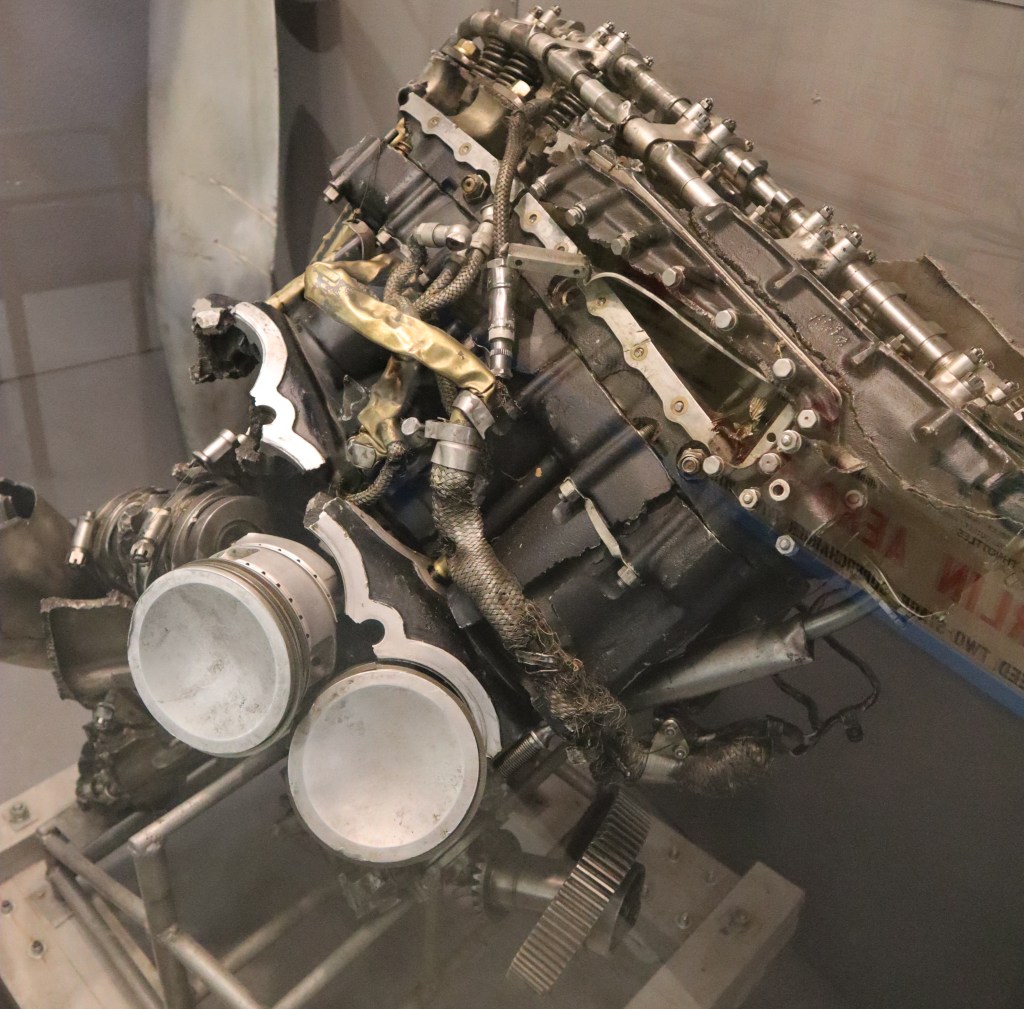
At the FAS Aviation Museum, these technological leaps are brought to life through hands‑on educational displays, clear and engaging diagrams, and a remarkable collection of original — and often rare — aircraft components. Each piece invites visitors to experience aviation history up close and to discover how more than a century of innovation has shaped the safe and efficient flight we know today.
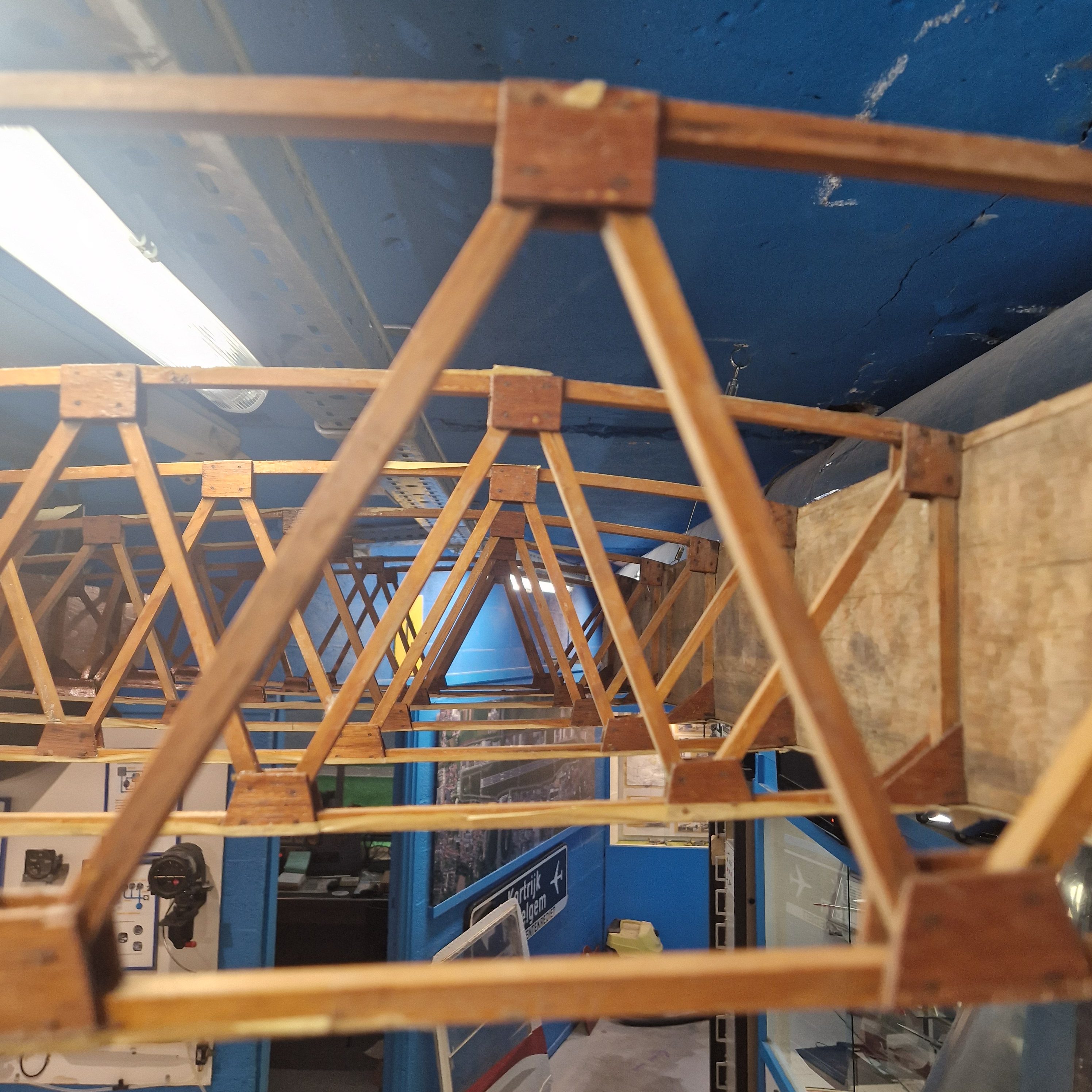

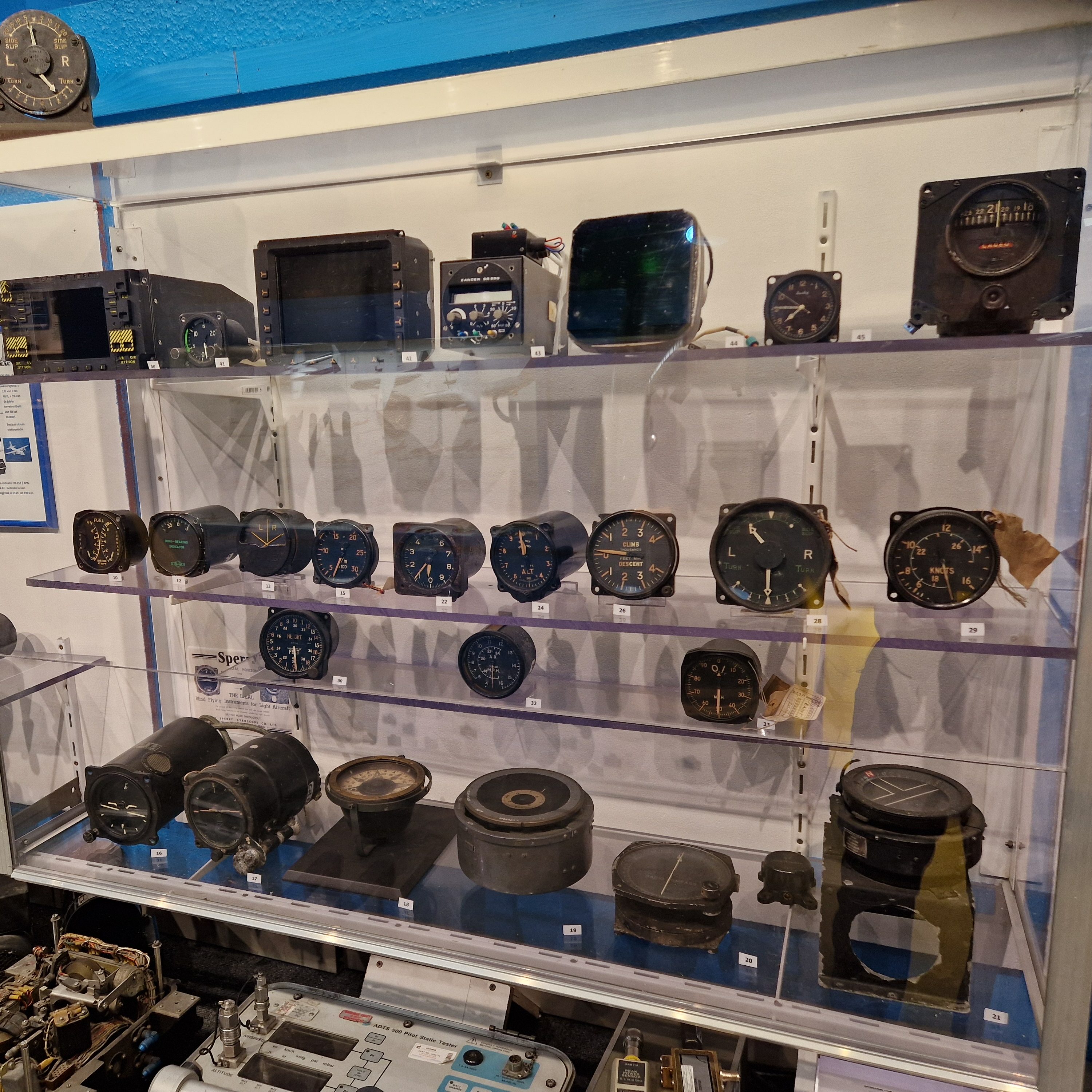
Uncover the fascinating principles of flight through clear explanations and hands‑on displays.
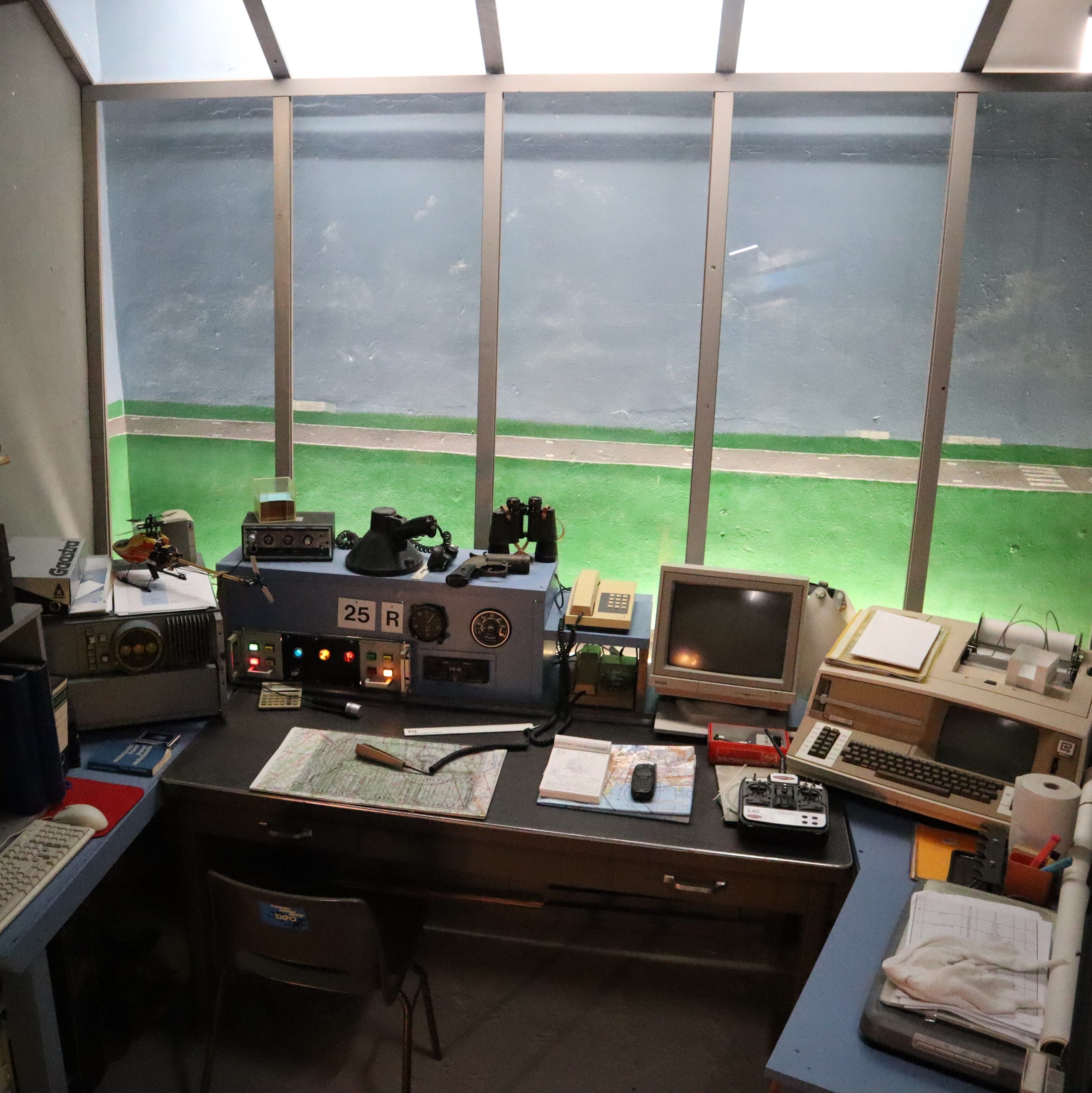
Step into the world of navigation and aeronautical instruments — past and present.
Learn how craftsmanship helped shape the aircraft of the future.
Explore the innovations that are transforming how we fly.
Discover how the region continues to play a pioneering role in the industry.
Discover this and much more in the FAS Aviation Museum …
Unique
The FAS Aviation Museum is truly unique in many ways. More than 30 years ago, the museum grew from the passion of a handful of dedicated collectors who decided to bring their private collections together in a single exhibition. Over time, this initiative developed organically into the coherent museum you can visit today — with the development of Kortrijk–Wevelgem Airport as its guiding thread.
What makes the museum even more remarkable is that it still runs entirely on volunteer dedication. Just like the rest of the association, the museum thrives thanks to enthusiasts who invest their time, knowledge and craftsmanship. Volunteers regularly refresh and renovate parts of the exhibition, while newly acquired items — whether on loan or permanent — continue to enrich the collection.

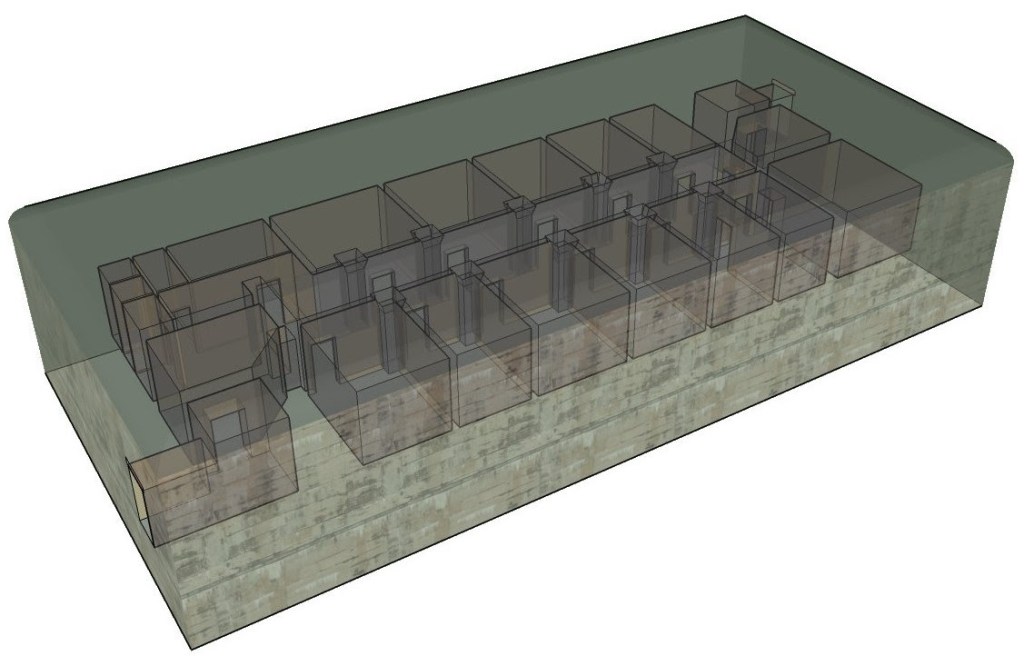
The FAS Aviation Museum is housed in an authentic Second World War bunker — a striking reminder of the airport’s turbulent past. During the war, Wevelgem served as an important Luftwaffe base. The occupying forces expanded the airfield extensively, adding new infrastructure and strategic facilities. One of the most significant of these was the command bunker (Gefechtstelle), constructed during the harsh winter of 1941–1942.
Today, this very bunker forms the heart of the museum. As you wander through its rooms, the thick concrete walls and original wartime structure create a powerful sense of stepping directly into history. The setting adds a unique atmosphere to the museum experience — one where the stories of aviation and conflict are felt as much as they are seen.
Be sure to consult the practical information regarding the museum’s accessibility — it helps you prepare your visit comfortably and get the most out of your experience.

Thanks to the support of the Municipality of Wevelgem, the museum offers free admission on the first Sunday of every month from May through October — the perfect opportunity to explore the collection at your own pace.

Open-Air Museum

As a kind of open‑air extension to the museum, FAS offers a free cycling tour that takes you past numerous aviation‑related points of interest in the Wevelgem and Moorsele area. This loop-shaped route leads you along remnants of former airfield infrastructure, anti-aircraft positions, crash sites, monuments, and museums — all connected, directly or indirectly, to the region’s rich aviation heritage.
The cycling tour is completely free and can be enjoyed at any time of your choosing. When planning your ride, you may want to take into account the opening hours of museums or local cafés along the way — and, of course, the weather forecast. Other than that, simply hop on your bike and let the landscape reveal its stories.
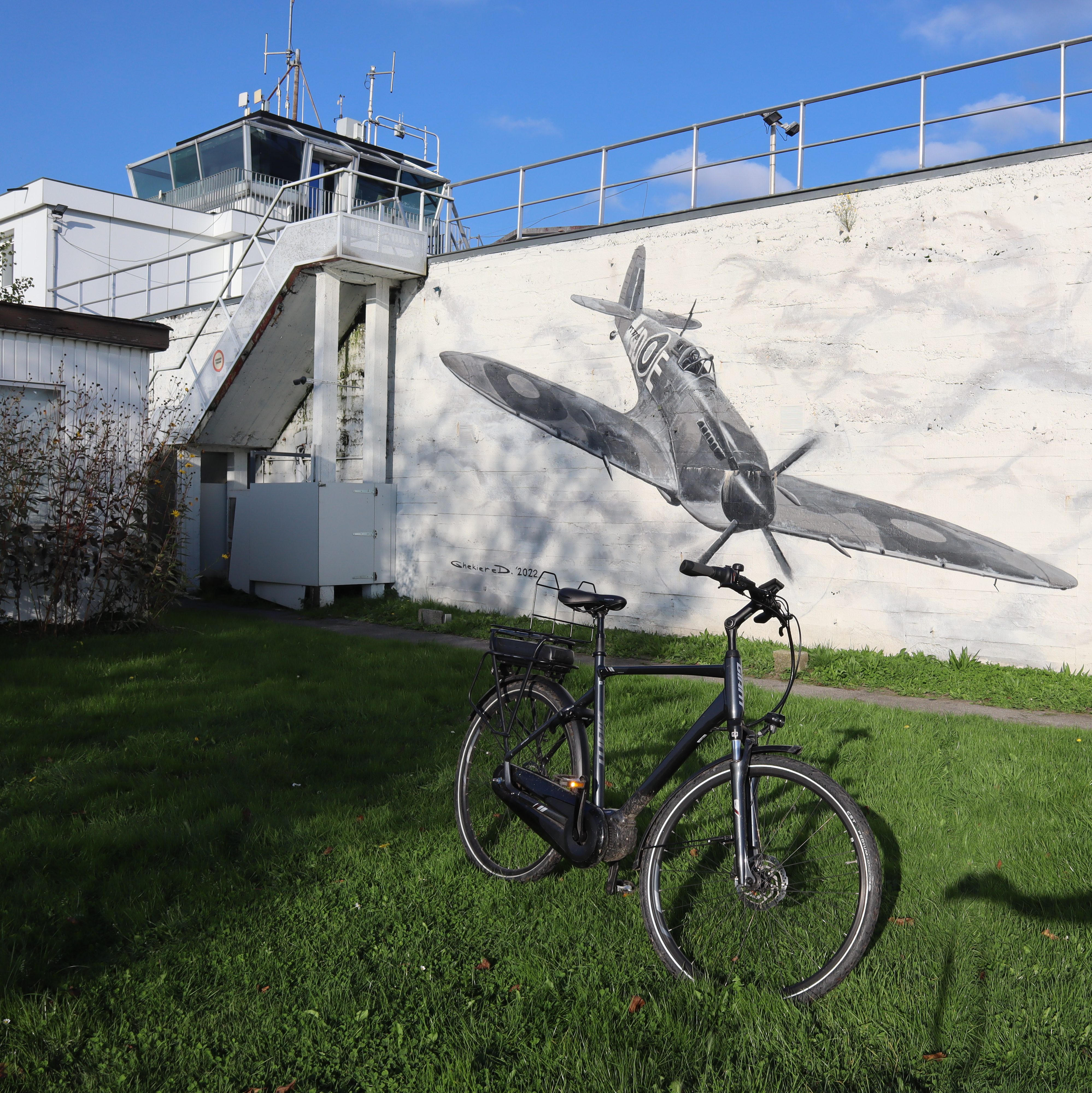
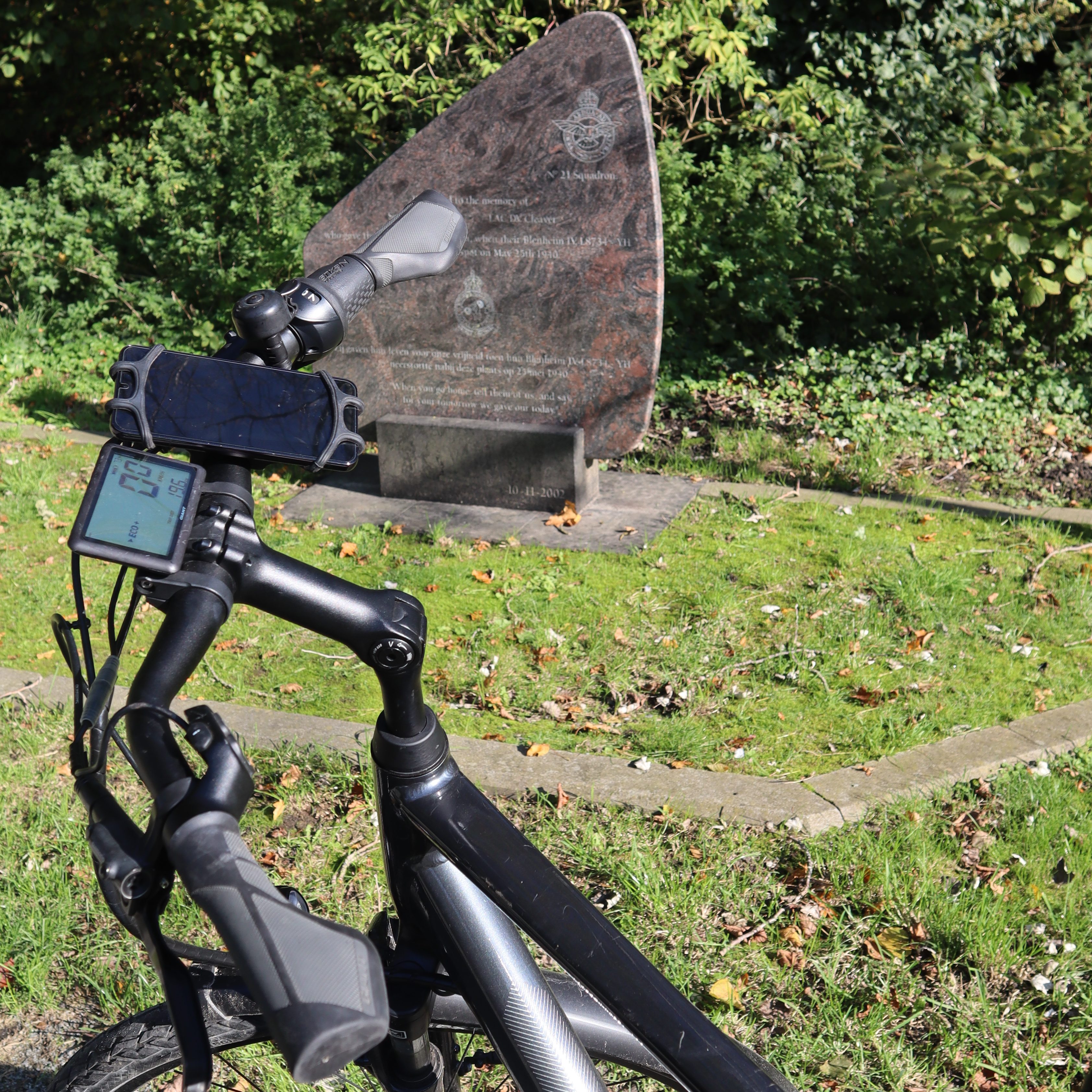
The FAS Pilots’ Route stretches 38 km, with an option to shorten the loop to 23 km. The tour follows mainly quiet country roads over mostly flat terrain, making it accessible to cyclists of all ages and levels. You can start the route at several different locations, giving you the flexibility to tailor the experience to your plans.
For the best experience, be sure to check the detailed information about the FAS Pilots’ Route when planning your ride (available soon).
What our visitors say
Whether you’re young or old, a devoted aviation enthusiast or an absolute beginner, fascinated by history or drawn to technology — the museum truly has something for everyone.
★★★★★
The museum is a true must‑visit for anyone coming to the airport.

Youth coach
★★★★★
he museum is truly a jewel in the association’s crown — and a cultural treasure that enriches the entire municipality of Wevelgem.
Jan Seynhaeve
Mayor of Wevelgem
★★★★★
Our members were truly impressed by the beautifully displayed collection and the remarkable expertise of the museum guides.
President OKRA Lauwe
Other museums
Visitors to the FAS Aviation Museum may also enjoy several other fascinating museums in the area.
You’ll find all practical details and opening information on their respective websites.
Musée du 5 Juin 1944
4 Bis Avenue de la Marne 59200 Tourcoing, Frankrijk
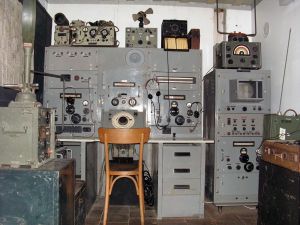
This museum is also housed in a Second World War bunker, built by the German occupiers. The extensive complex once served as a central command post for German forces operating along the coastline from Normandy all the way to the Netherlands. Its scale and strategic importance make it a remarkable piece of wartime heritage — and an impressive backdrop for any visit.
 Flanders Aviation Society